What would life be like if your house did more than just shelter you? Imagine entering a room that instantly modifies the temperature, switches off lights you forget to turn off, and discreetly reduces your energy use without interfering with your daily routine.
It sounds perfect, but in 2026, it’s starting to seem surprisingly normal. Tech enthusiasts no longer view smart homes as devices. They are developing into useful, daily solutions that reduce waste and make life sustainable.
The ease with which these technologies now fit into everyday life is what makes this change so amazing. The house takes care of the little decisions that have the largest impact, so you don’t need to think about sustainability.
In this article, we’ll look at what makes smart houses such potent sustainability catalysts in 2026 and how they’re changing how people live, save, and remain comfortable.
Why Smart Homes and Sustainability Go Hand in Hand

Sustainability is becoming a genuine need rather than a passing trend. Modern homeowners desire smarter, more adaptable homes, energy prices have continued to climb, and people are becoming more aware of their actions that influence the environment. Smart houses enter the scene with an almost simple answer.
Instead of relying purely on manual choices, these homes collect data, respond to patterns and optimise the way resources are consumed. Lights switch off automatically, heating and cooling systems adjust themselves throughout the day, and appliances operate when energy demand is lowest. These small behaviours, repeated daily, reduce waste in a way that manual effort simply cannot maintain long-term.
This desire for intelligent, efficient living is also influencing the property market. Buyers now compare homes not just for location and design but for the built-in systems that allow them to live smarter. This is why even in regional lifestyle markets like Yarrawonga real estate, there is a rising interest in homes that deliver a more energy-efficient future.
Key Smart Home Innovations Redefining Sustainable Living in 2026
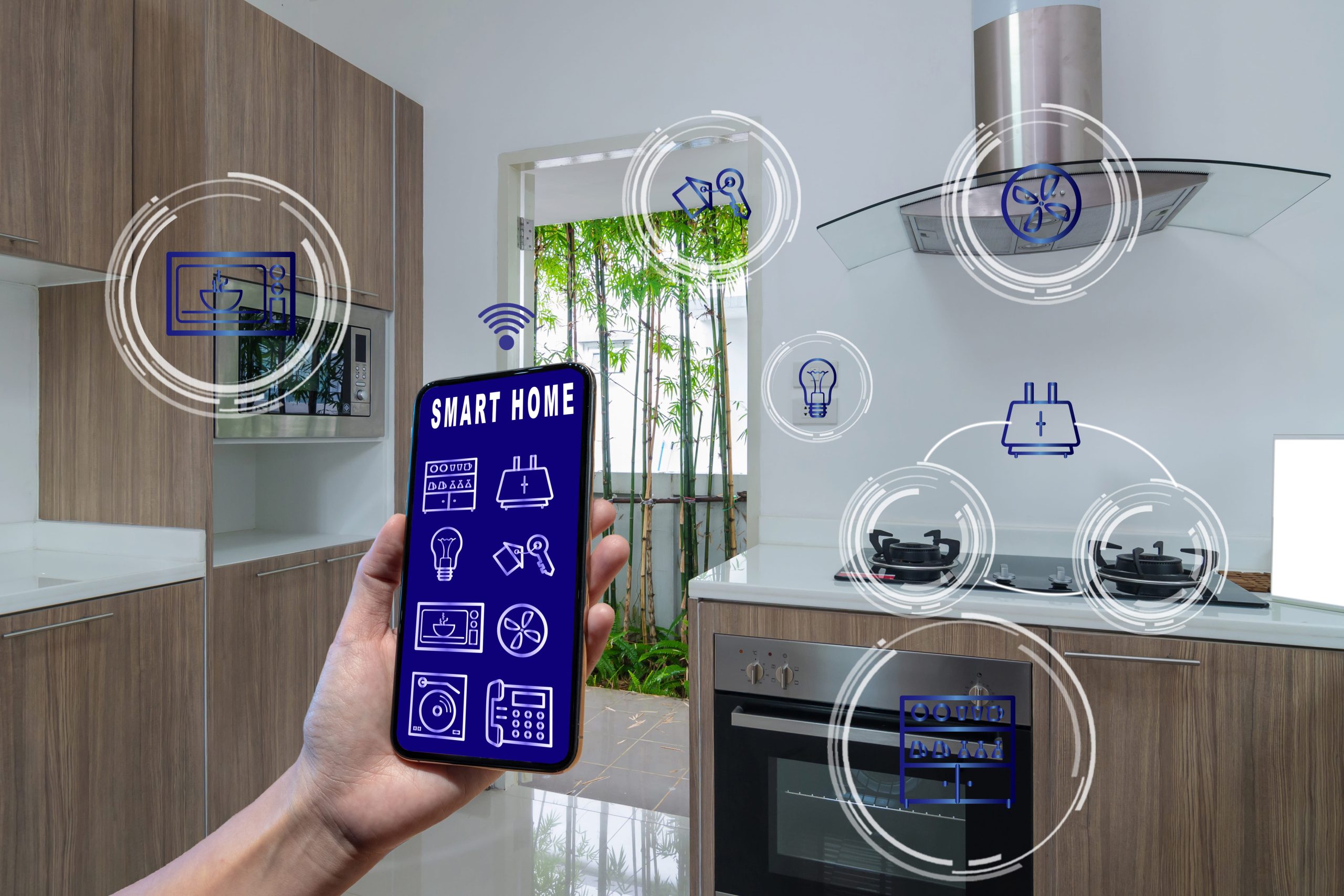
Here we will look at the key points that can make a home smart and, at the same time, more sustainable in the upcoming year-
a) Improved Energy Management for Low-Carbon Living
The foundation of contemporary smart homes is energy management. These days, systems do much more than just show how much power is being used. They automatically regulate the flow of energy throughout the house, recognise trends, and identify waste. For instance, a smart thermostat may more effectively warm or cool a home by predicting your arrival or adapting to the outside temperature.
This is one of the reasons purchasers who are looking at houses for sale in Yarrawonga or comparable areas are drawn to modern structures that already have these characteristics. They acknowledge the long-term worth of a house that actively seeks to lower energy costs.
b) Innovations in Water Efficiency
Traditional homes frequently overlook water waste, but smart homes are changing that. In order to prevent needless consumption, smart irrigation technologies may monitor rainfall, identify soil moisture, and modify watering schedules. Leak detection devices within the house notify owners as soon as a problem arises, saving significant water loss and possible damage.
These gadgets encourage water-conscious behaviours without requiring ongoing supervision. This level of automation can significantly improve convenience and sustainability for families that like outdoor living, gardening, or bigger block sizes.
c) Eco-Friendly Smart Equipment
Appliances have changed significantly. Dishwashers schedule themselves when energy consumption is at its lowest, washing machines adjust water levels to load size, and connected refrigerators effectively control chilling cycles. These small adjustments add up to significant long-term savings and less stress on the environment.
Their capacity to cooperate with the larger smart system can be a real advantage. Smart appliances constitute a crucial component of an environmentally conscious home when combined with solar management or energy monitoring.
d) Climate Control and Intelligent Lighting
The ability to regulate internal temperature and lighting is one of the most valued features of contemporary smart houses. Energy waste may be decreased by using lights that react to natural sunlight, dim during certain hours, or adjust automatically. Unexpected surges in power use are avoided by climate systems that monitor room occupancy or make progressive adjustments throughout the day.
Individuals who value tranquil living or lifestyle attractions, like those who live in towns like Yarrawonga, value how these systems make their homes run smoothly and comfortably. You don’t have to remember to turn things off or adjust settings all the time. The house creates its own beat.
e) Sophisticated Security and Surveillance Systems
Technology for security will also become more user-friendly. Sensors will detect more than movement. These will react to unexpected changes in humidity, abnormal temperature fluctuations, and open windows. Instead of simply sounding alarms, they alert homeowners and trigger minor adjustments to save energy or protect appliances.
For instance, the system can turn off the air conditioner or send a reminder to close the window if it is left open while cooling is operating. The ecosystem and the house are both safeguarded by these improvements.
The Lifestyle Benefits of Smart and Sustainable Homes
Smart homes do more than just reduce energy use. They make daily existence easier and more fulfilling. Among the most valued lifestyle advantages are:
- A smoother daily rhythm as the home adjusts itself to your routines
- Consistent comfort throughout the day with climate systems that work quietly in the background
- Appliances that coordinate themselves, reducing noise and preventing energy peaks
- Less time spent fiddling with switches, timers or settings
- The ability to enjoy modern comfort without feeling wasteful
Conclusion
Smart homes are setting a new standard for sustainable living in 2026. They combine technology with thoughtful design to reduce waste, improve comfort and make daily living more intuitive. If you are into smart homes and sustainable living, start looking for properties in new towns like Yarrawonga.
Don’t know who to trust for the best property options? Contact the most reliable Yarrawonga real estate agents from Glanmire Park.
FAQs
1. What will smart homes be like in the future?
In the upcoming year of 2026, smart homes with built-in intelligence will make heating and cooling systems more efficient, tell you how the home is working, and make the home more sustainable.
2. How can smart homes help in advancing sustainability?
In contrast with traditional houses, smart homes actively use technology to minimise waste, maximise energy efficiency, and promote environmentally responsible behaviours.
3. What is the future scope of smart home automation?
With the ability to improve our quality of life and change our living environments, the future scope of home automation is vast and exciting. Smart home systems will become increasingly intelligent and accessible as a result of growing technology developments and an emphasis on sustainability.